What's in Season Right Now: Fall Produce Worth Filling Your Plate With
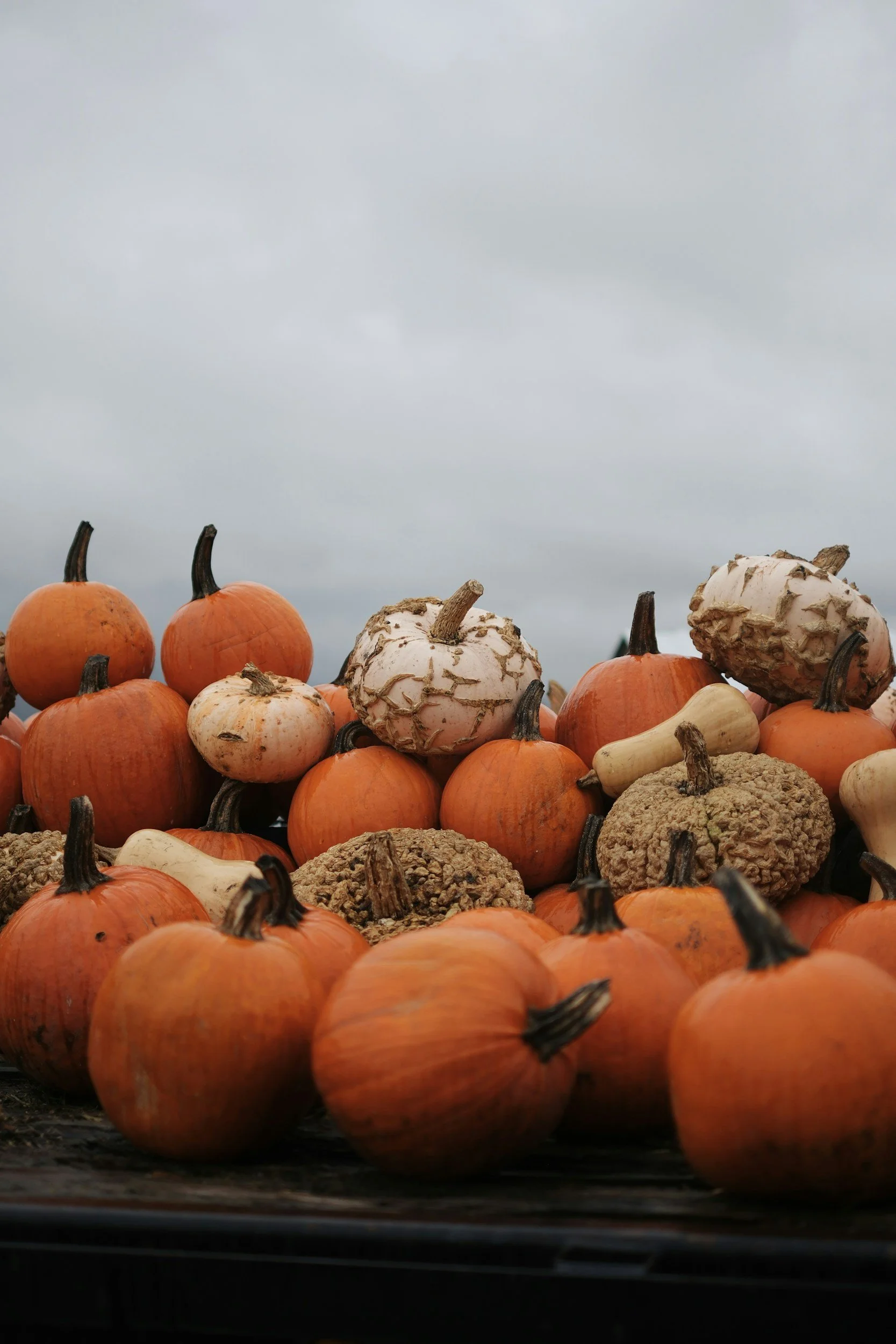
The farm stands are trading summer for fall, and October is when the produce gets good.
Apples, pears, Brussels sprouts, and winter squash are all in season this month [9][10]. Below is what's peaking, why it's worth eating, and healthy, low key recipes to enjoy them with!
Apples
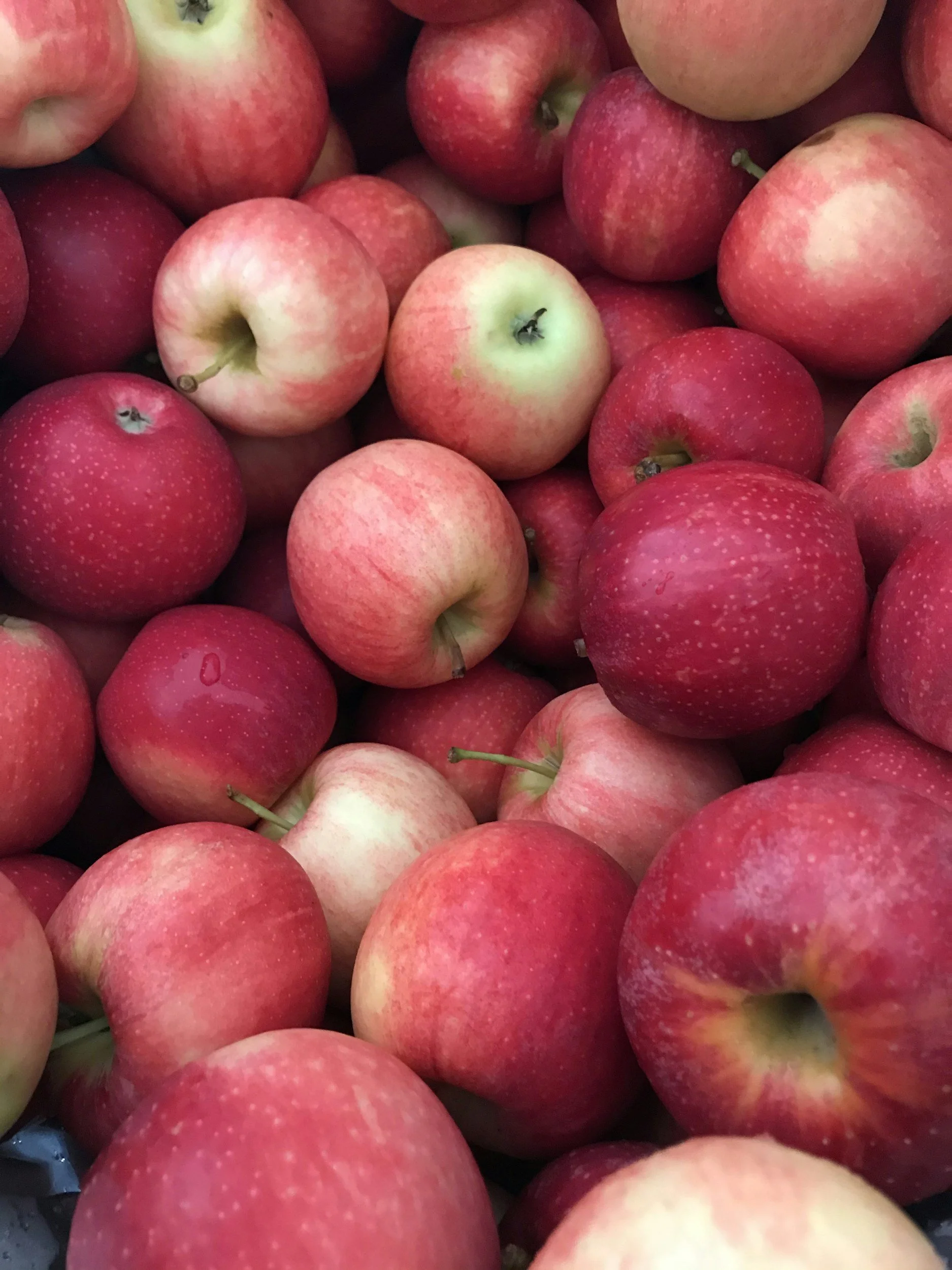
One medium apple has about 95 calories, 3 grams of fiber, and 19 grams of naturally occurring sugar [1]. The fiber is the point. Pectin, the soluble fiber in apples, may modestly lower LDL cholesterol, though human trials have been mixed [1]. In a large 24-year study, fiber-rich, low-glycemic fruits, especially apples and pears, were linked with the least weight gain over time [1]. Keep the peel on, since unpeeled apples are good sources of both fiber and polyphenols [2].
Find your favorite apple orchard this fall and make a day of it!
Try it: Homemade applesauce. Simmer 6 to 8 sliced apples with a splash of water and cinnamon for about 10 minutes, then puree. There’s no added sugar, and it keeps in the fridge or freezer.
Pears
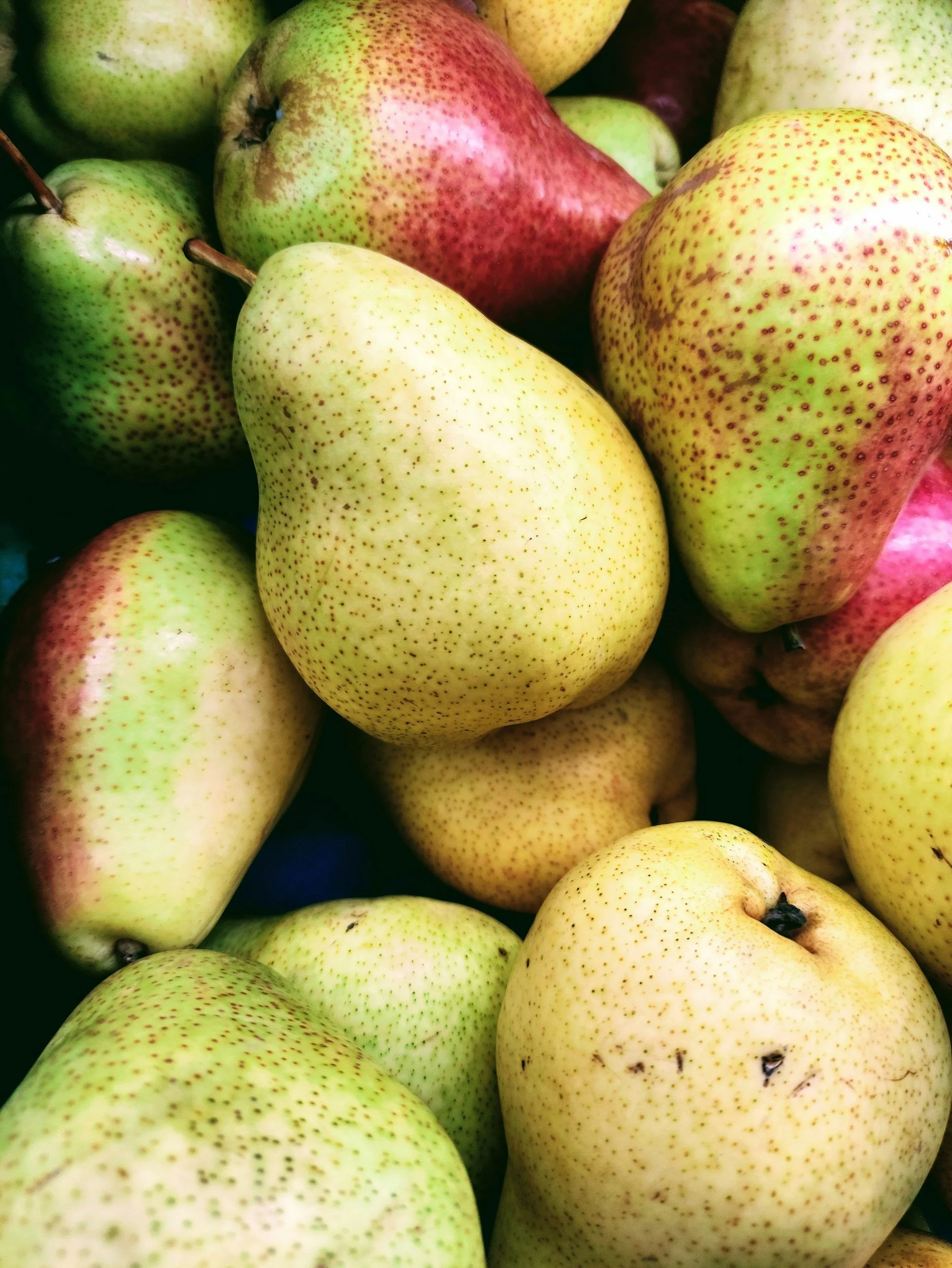
Pears are apples' close cousin. A large pear has about 7 grams of fiber, and the skin is where much of it lives [8]. A study of nearly 35,000 women linked eating apples and pears with a lower risk of dying from heart disease [3].
Try it: Roasted Brussels sprouts with pears and butternut squash. It uses just olive oil, salt, and pepper, roasted at 400°F until soft and browned.
Brussels Sprouts, Broccoli & Cauliflower
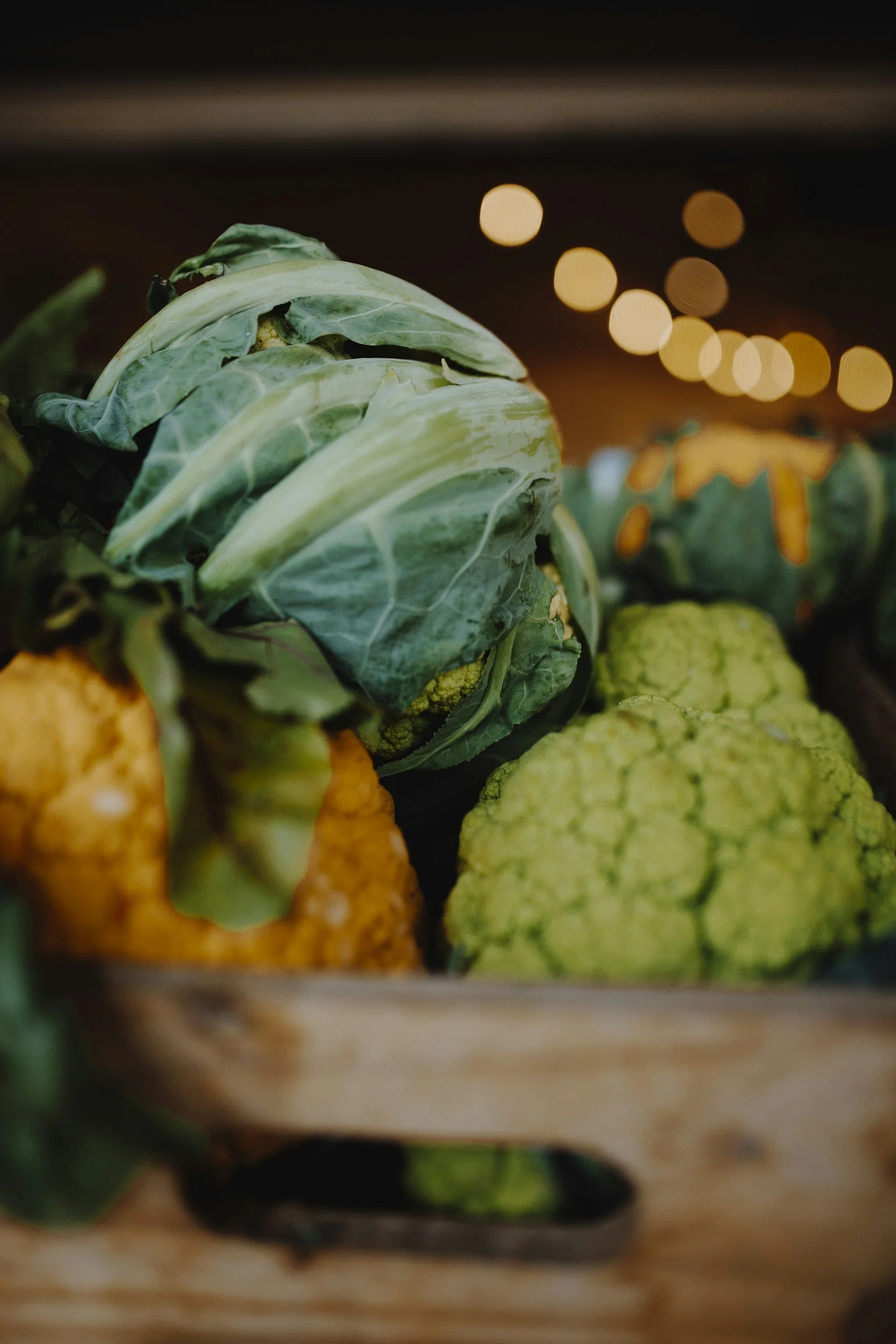
New York farms are still harvesting broccoli, Brussels sprouts, cauliflower, and cabbage this month [10]. Brussels sprouts are a source of vitamin C, vitamin K, folate, carotenoids, and fiber [4]. One cup of broccoli provides over 90% of your daily value of vitamin C, which strengthens your immune system [11] . Cauliflower is rich in antioxidants like glucosinolates + isothiocyanates, which protect cells from damage + lower chronic disease risks [12].
The research is encouraging for women as we age. In one study of 684 women over 70, those who ate more cruciferous vegetables were 46% less likely to have high levels of calcified plaque in the aorta [6]. That was an observational study, so it shows an association rather than proof.
Roasting helps if you've been burned by boiled sprouts. Dry oven heat with a little olive oil and salt browns them and brings out a nutty sweetness [5].
Try it: Beef and Broccoli: a high-protein, high-fiber dinner under 30 minutes, served over cauliflower rice
Winter Squash
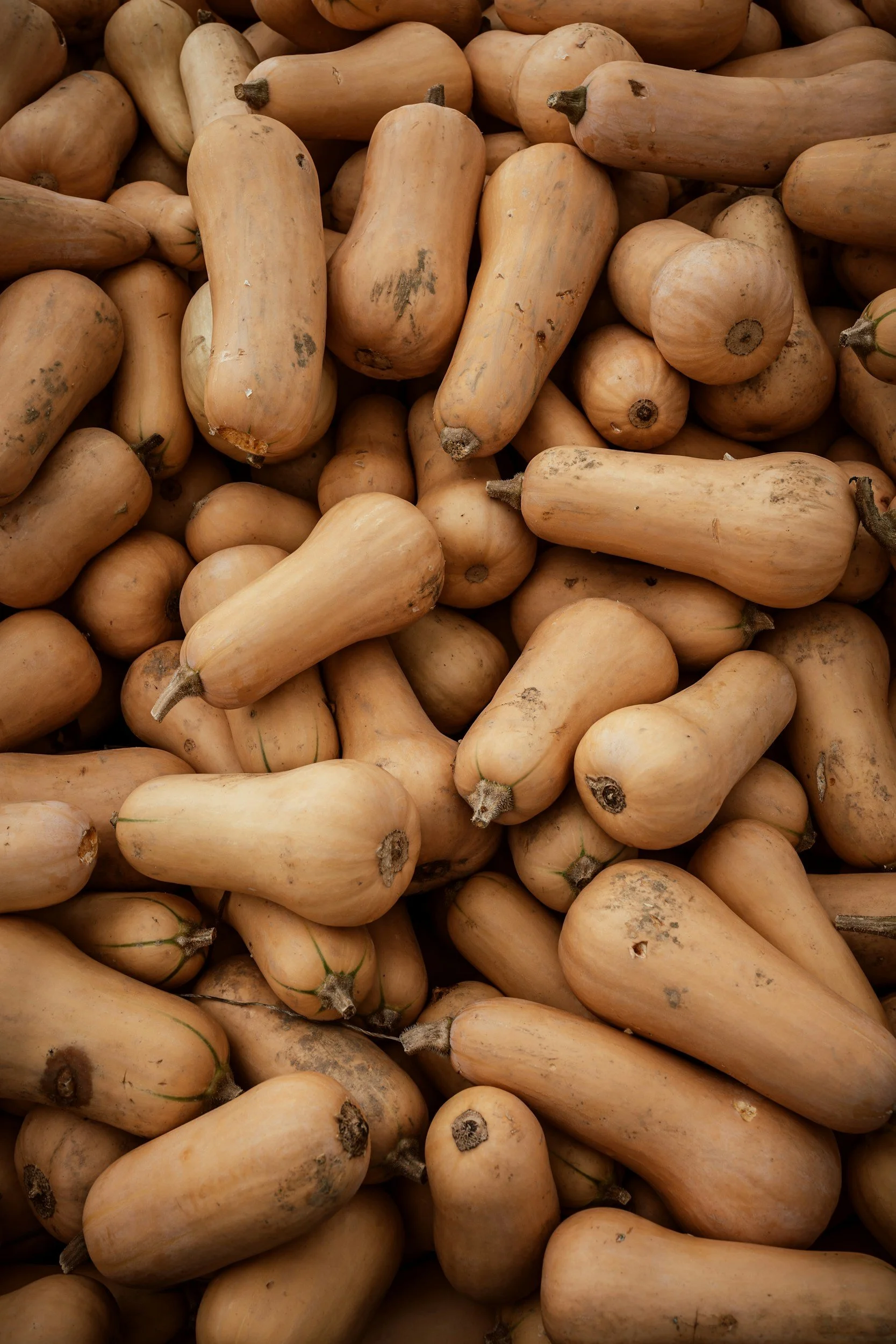
Butternut, acorn, and delicata are arriving now [9]. One cup of raw, cubed butternut has about 2.8 grams of fiber and 493 mg of potassium, more than a banana [7]. A dietitian at Cleveland Clinic notes it's naturally gluten-free and low in fat and carbs, with a low glycemic index [7]. Its orange color comes from carotenoids, which support eye health [7]. If peeling a butternut feels like a wrestling match, try thin-skinned varieties like delicata and honeynut, which are easy to prep [8].
Try it: The coziest fall salad - warm squash over salad instantly gives a cold salad the warmth we all crave when the weather turns.
Also in Season
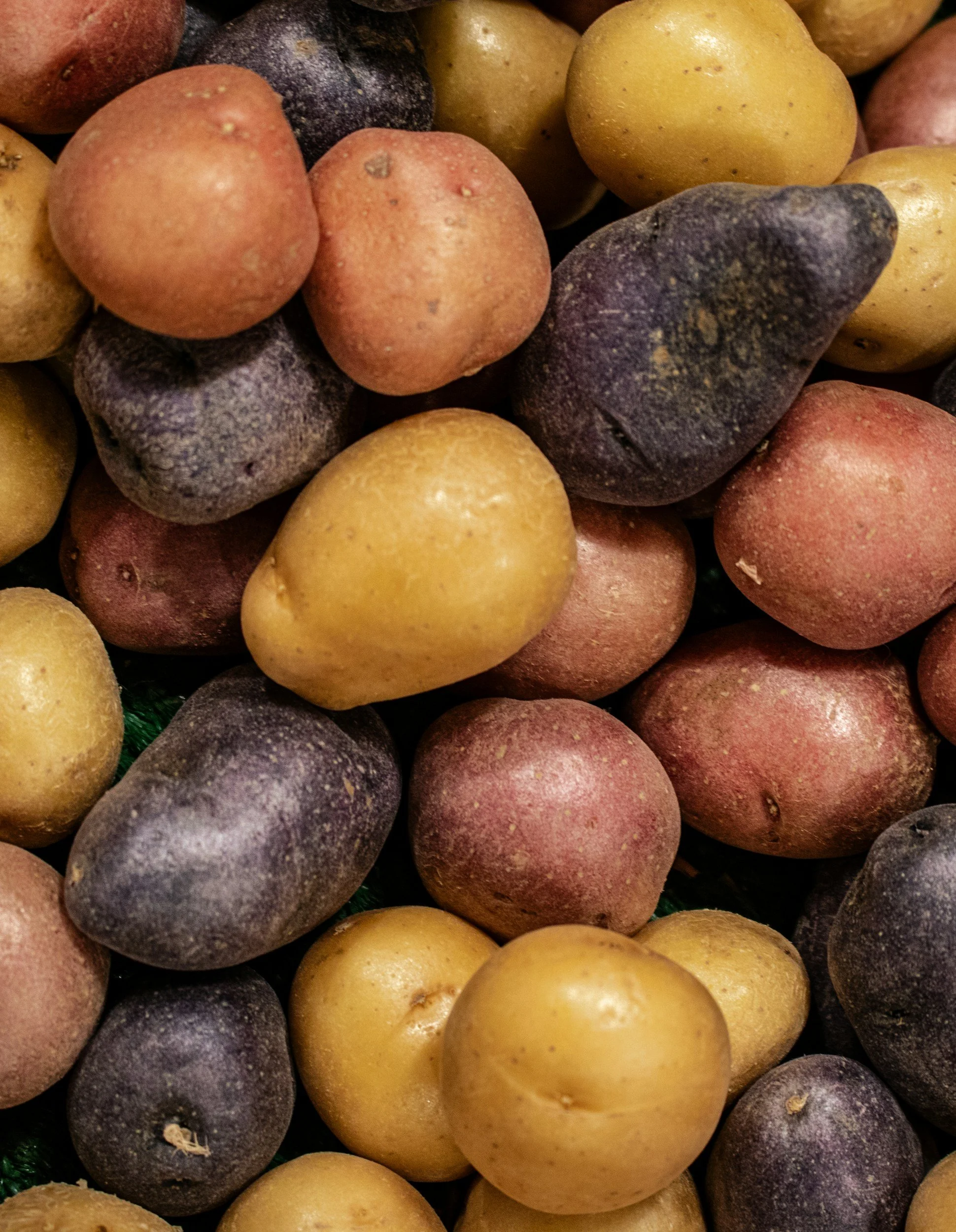
Potatoes are still being harvested so take advantage of them while you can! They are an excellent source of vitamin C, acting as an antioxidant that protects cells and helps the body repair tissue [13].
I will never say no to a roasted potato :)
Try it: Crispy Smashed Potatoes which in my opinion, are better than french fries.
Sources
Harvard Nutrition Source: Apples
Harvard Health: Fruit of the month, Apples
Harvard Health: Eat these fruits for their anti-inflammatory benefits
Harvard Nutrition Source: Brussels Sprouts
Harvard Nutrition Source: Science of Flavor, Cruciferous Vegetables
Harvard Health: Broccoli and Brussels sprouts may promote heart health
Cleveland Clinic: Butternut squash benefits
Consumer Reports: Health benefits of winter squash and healthy fall foods (pears)